
The Enduring Need: Why Digital Marketing is Worth It
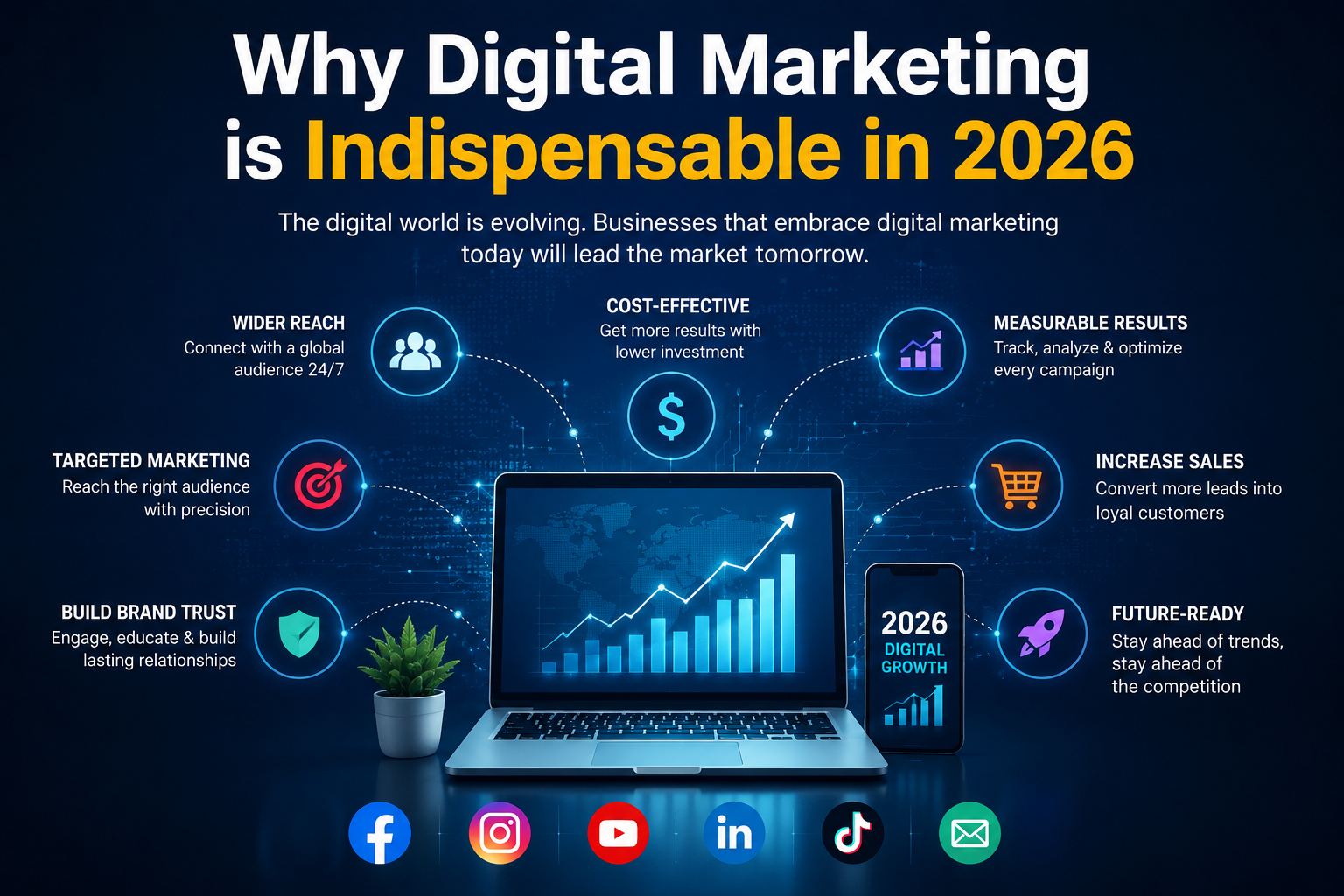
Digital marketing remains essential in today’s fast-changing business world. In 2026, both B2B and B2C businesses rely on digital platforms to reach customers and grow. A strong online presence is no longer optional—it’s essential for increasing brand visibility, attracting potential customers, and driving sales.
Table Of Content
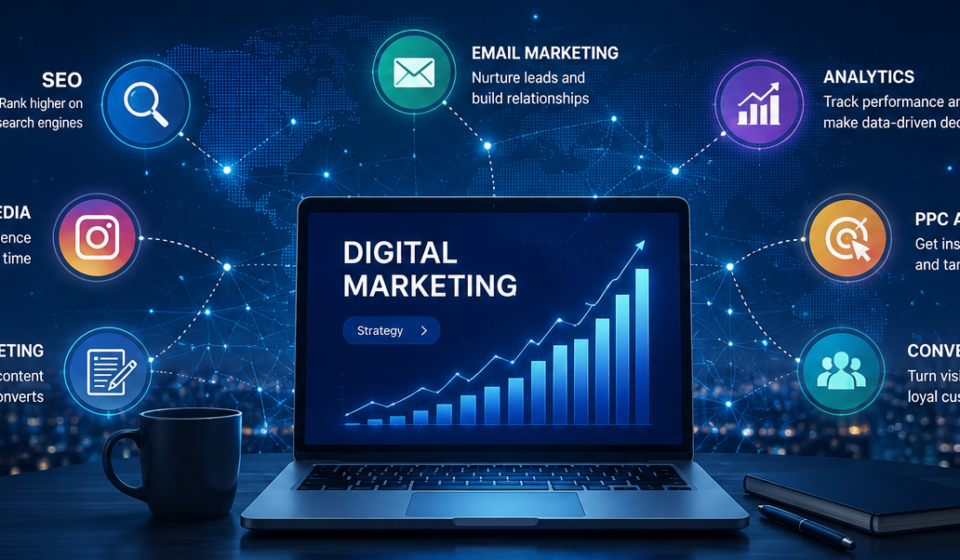
As more consumers spend time online, digital marketing helps businesses reach the right audience. Strategies like SEO, social media marketing, and content marketing improve online visibility, attract potential customers, and increase sales.
Digital marketing also provides valuable data that helps businesses understand customer behavior and preferences. By using analytics tools, companies can improve their marketing strategies, deliver personalized experiences, increase conversions, and build long-term customer loyalty.
Marketing also gives small businesses the opportunity to reach customers worldwide. With affordable digital tools, they can expand beyond local markets, compete globally, and attract a wider audience without a large marketing budget.
The Evolution of Digital Marketing by 2026
As we move into 2026, digital marketing is evolving rapidly. Businesses must go beyond traditional advertising and focus on data-driven strategies. With the rise of AI, marketers need to develop new skills and make smarter, more strategic decisions.
AI is transforming digital through automation and hyper-personalization. It helps marketers optimize campaigns, analyze data faster, and deliver personalized experiences. To stay competitive in 2026, marketers must learn AI tools and strengthen their data analysis skills.
Furthermore, the forthcoming changes in data privacy regulations will shape how marketers collect and use consumer data. The phasing out of third-party cookies will necessitate a greater reliance on first-party data, making it essential for brands to cultivate direct relationships with their customers. As marketers navigate this new data landscape, the ability to generate meaningful insights from first-party data will be paramount.
In addition to shifts in data practices and AI influence, video content is predicted to dominate marketing strategies. The increasing demand for engaging video formats is reshaping the way brands create and distribute content. Marketers will need to excel in producing native video that resonates with their audience, ensuring that their messaging is not only effective but also captivating.
Essential Skills for Success in 2026
As digital marketing continues to evolve in 2026, professionals in the field must develop a comprehensive skill set to remain competitive. The landscape is becoming increasingly complex, necessitating a hybrid approach that amalgamates data analytics, artificial intelligence (AI), content strategy, and video production. Mastery of these areas will be key to thriving in this dynamic environment.
Data literacy stands as a fundamental skill for marketers, enabling them to effectively harness consumer insights. Understanding data analytics allows professionals to interpret trends and patterns from consumer behavior, facilitating more informed decision-making when designing marketing campaigns. In 2026, marketers who can analyze and apply this data strategically will likely outperform their peers who lack these insights.
AI integration is another critical focus area. With the rapid advancements in AI technology, marketers must become proficient in utilizing AI tools that optimize campaigns, personalize customer experiences, and enhance targeting strategies. By leveraging AI for data-driven decisions, experts can not only increase efficiency but also improve engagement through tailored content and predictive analytics.
In addition to technical skills, creativity remains indispensable, especially regarding content creation. High-quality video content is increasingly dominating digital channels. Thus, marketers equipped with the creative skills needed to produce engaging and visually appealing videos will have a significant advantage. Mastering video production techniques, narrative crafting, and visual storytelling ensures that marketing messages resonate with audiences effectively.
As we look toward 2026, it is evident that the convergence of these essential skills—data literacy, AI integration, and creativity—will equip digital marketing professionals for success. Developing a robust, versatile skill set will be paramount as they respond to the changing dynamics of the digital landscape.
Preparing for the Future: Strategies for Businesses
As we move towards 2026, it is essential for businesses to adopt strategies that will keep them competitive in the ever-evolving digital marketing landscape. Investing in advanced technology is one of the foremost recommendations. Utilizing tools such as artificial intelligence (AI) and machine learning can significantly enhance marketing efforts. These technologies can analyze vast amounts of data and provide insights that are instrumental in tailoring marketing campaigns. Embracing these innovations can lead to more efficient and effective customer targeting.
Another critical strategy is to build a strong first-party data approach. As third-party cookies are phased out due to increasing privacy regulations, businesses must find ways to collect and utilize first-party data effectively. This involves creating value-driven interactions that encourage customers to willingly share their information. By establishing trust and leveraging this data, companies can generate personalized marketing experiences that have a higher chance of conversion.
Additionally, developing a robust content marketing plan is paramount, with a focus on video content. Video consumption is projected to continue its upward trajectory, making it a crucial element of digital marketing. Businesses should create engaging, informative, and high-quality video content that aligns with their target audience’s preferences. This will not only enhance brand visibility but also foster deeper engagement.
Equally vital is the commitment to continuous learning and agility. The digital marketing landscape is marked by rapid changes; therefore, businesses should remain adaptable to new trends and emerging technologies. Regularly updating skills and exploring innovative marketing tactics will ensure that companies stay ahead of the curve.