
Introduction to Influencer Marketing
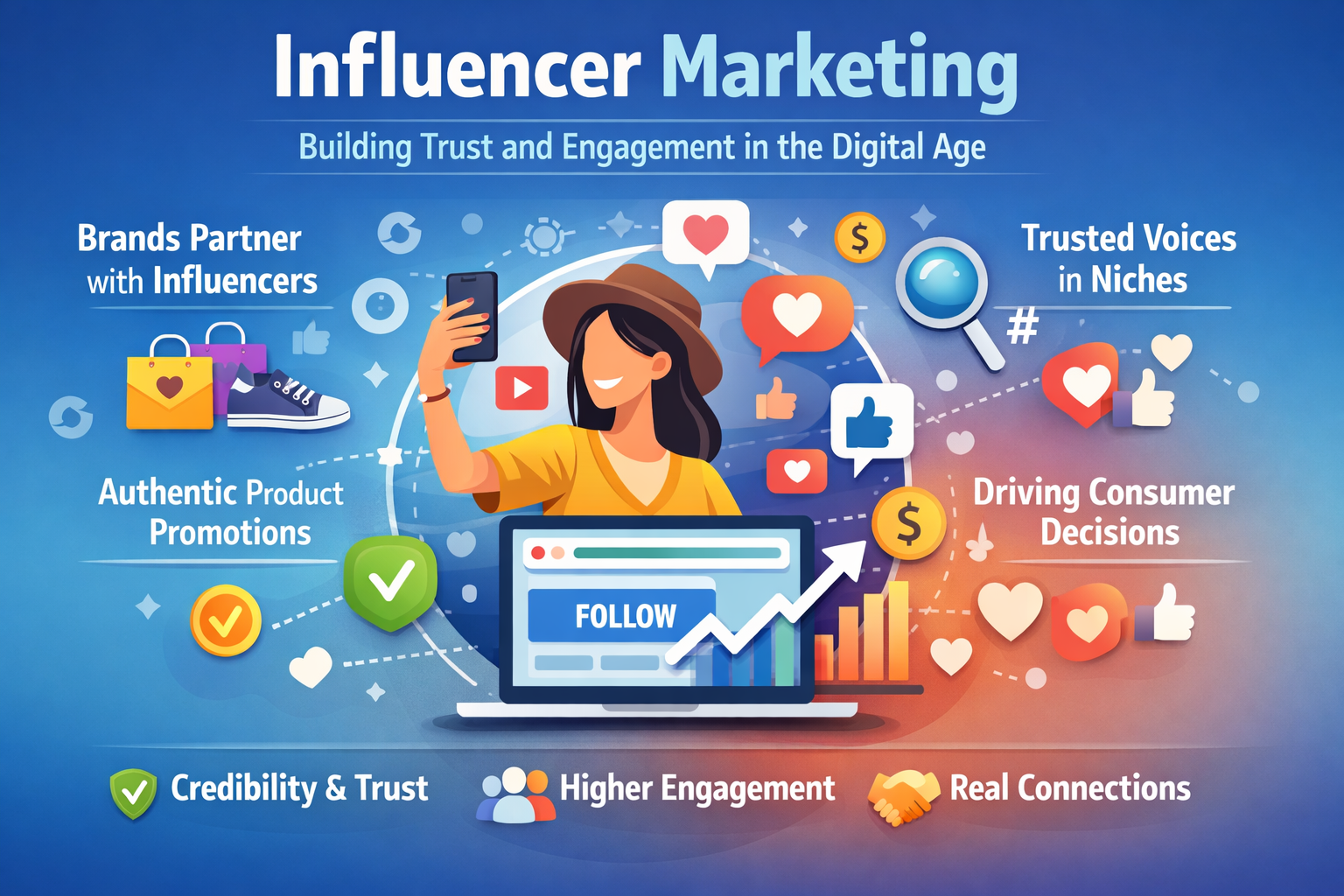
Influencer marketing is a modern digital strategy where brands partner with influential individuals to promote products or services in a more authentic way. These influencers are trusted voices within specific niches and have the ability to influence purchasing decisions through their credibility and audience connection. As traditional advertising becomes less effective, brands are increasingly turning to influencer marketing to build trust, engagement, and long-term relationships with consumers.
Table Of Content
- The Impact of Social Media on Influencer Marketing
- Technological Innovations Shaping Influencer Marketing
- Building Authentic Influencer Partnerships
- Measuring Influencer Marketing Success
- Navigating Regulations and Compliance
- Case Studies of Successful Influencer Campaigns
- Conclusion: Preparing for the Future of Influencer Marketing
The journey of influencer marketing began with the rise of social media platforms, where individuals started building personal brands based on their expertise, lifestyle, or creativity. Initially dominated by celebrities, the space has now expanded to include micro and nano influencers who often have smaller but highly engaged audiences. These influencers deliver more personal and relatable content, resulting in stronger trust and higher engagement rates.
Industry data highlights the rapid growth of this marketing approach. The global influencer marketing industry has grown significantly over recent years, and a large percentage of marketers plan to increase their influencer budgets moving forward. As we approach 2026, understanding how influencer marketing will reshape brand strategies is more important than ever.
The Impact of Social Media on Influencer Marketing
Social media platforms have completely reshaped influencer marketing, making it one of the most powerful tools for brand promotion. Platforms such as Instagram, TikTok, and YouTube allow influencers to connect directly with their audiences, creating meaningful interactions that enhance brand credibility and visibility.
Instagram remains a dominant platform due to its visual nature and advanced features like Stories, Reels, and in-app shopping. These tools enable influencers to showcase products creatively while allowing brands to reach users in a natural, engaging way. Strategic influencer collaborations on Instagram often lead to higher engagement and stronger brand recall.
TikTok has emerged as a game-changer, especially among younger audiences. Its algorithm-driven content discovery allows even new creators to go viral quickly. Brands partnering with TikTok influencers can gain massive exposure in a short time, making it an essential platform for influencer marketing in 2026.
YouTube continues to be a key platform for long-form content such as product reviews, tutorials, and in-depth storytelling. This format helps build trust and authenticity, allowing brands to develop deeper connections with their audience over time.
Technological Innovations Shaping Influencer Marketing
Technological advancements are rapidly transforming influencer marketing, and by 2026, tools like artificial intelligence (AI), data analytics, and augmented reality (AR) will play a crucial role in campaign success.
AI-powered tools help brands identify the right influencers by analyzing audience demographics, engagement patterns, and content performance. This allows marketers to make smarter, data-backed decisions and create more targeted campaigns. AI also helps detect fake followers, ensuring partnerships remain authentic.
Advanced data analytics enables brands to measure campaign performance in real time. Metrics such as reach, engagement, conversions, and ROI provide valuable insights that help refine strategies and improve future collaborations. These technologies empower brands to optimize influencer marketing with greater precision.

Building Authentic Influencer Partnerships
Authenticity is the foundation of successful influencer marketing. Brands must collaborate with influencers who genuinely align with their values, mission, and audience. Selecting the right influencer requires careful evaluation of content style, audience trust, and past brand collaborations.
Long-term partnerships are far more effective than one-time promotions. When influencers build ongoing relationships with brands, their content feels more natural and trustworthy. Open communication, creative freedom, and mutual respect are essential for maintaining strong partnerships.
Providing influencers with fair compensation and recognizing their creative input fosters stronger collaboration. When influencers feel valued, they produce content that resonates deeply with their audience—resulting in higher engagement and stronger brand loyalty.
Measuring Influencer Marketing Success
Measuring performance is critical to understanding the true impact of influencer marketing campaigns. Brands should focus on key performance indicators (KPIs) such as engagement rate, reach, conversions, and return on investment.
Engagement metrics—including likes, comments, shares, and saves—indicate how well content resonates with an audience. However, conversions and sales provide a clearer picture of business impact. Using tracking links, promo codes, and analytics tools helps brands accurately measure campaign outcomes.
In 2026, data-driven decision-making will be essential for maximizing influencer marketing success. Brands that continuously analyze and optimize their campaigns will gain a competitive edge.
Navigating Regulations and Compliance
As influencer marketing grows, regulations around transparency and consumer protection are becoming stricter. Brands and influencers must clearly disclose paid partnerships to maintain trust and comply with advertising laws.
Regulatory bodies such as the FTC require influencers to disclose sponsored content clearly. Non-compliance can result in penalties and reputational damage. Additionally, global regulations like GDPR require brands to handle consumer data responsibly, especially in international campaigns.
Staying informed about evolving regulations will be crucial for brands operating in the influencer space in 2026.
Case Studies of Successful Influencer Campaigns
Several brands have demonstrated the power of influencer marketing through innovative campaigns. For example, beauty brands partnering with micro-influencers have achieved higher engagement by prioritizing authenticity over celebrity endorsements.
Sportswear brands have successfully leveraged athlete influencers to inspire audiences through storytelling, boosting both brand perception and sales. Meanwhile, lifestyle and grooming brands have collaborated with niche influencers to connect with consumers through relatable, everyday content.
These success stories highlight the importance of choosing the right influencers and focusing on genuine connections.
Conclusion: Preparing for the Future of Influencer Marketing
As we move into 2026, influencer marketing is set to become an even more integral part of brand strategy. Consumers increasingly value authenticity, trust, and meaningful engagement—making influencer partnerships more valuable than traditional advertising.
Micro and nano influencers will continue to play a key role by offering deeper connections with niche audiences. At the same time, advancements in AI and analytics will allow brands to optimize campaigns and maximize ROI more effectively.
In conclusion, brands that start planning and refining their influencer marketing strategies today will be best positioned for success in 2026 and beyond. The future of marketing is authentic, data-driven, and influencer-led—and now is the time to embrace it.